Travelling to Cyprus with a dog is a great way to experience the island at your own pace. Cyprus offers much more than busy beach resorts and tourist centres. There are quiet villages, mountain landscapes, countryside roads, hiking trails and long stretches of coastline to discover.
For dog owners, this can be particularly appealing. A holiday in Cyprus does not have to revolve around a hotel pool or a crowded promenade. With the right accommodation and a little planning, you can explore the island together and enjoy a much more relaxed experience.
Whether you are planning a short holiday, a longer stay or a remote-working escape, travelling with your dog requires some preparation. From entry requirements and flights to choosing the right accommodation and avoiding the summer heat, there are a few things worth knowing before you go.
Is Cyprus Dog Friendly?
Cyprus can be a very enjoyable destination for travelling with a dog, particularly if you choose accommodation that gives you enough space and flexibility.
The island offers many environments that are naturally suited to dogs:
- countryside
- mountain areas
- village roads
- hiking trails
- open landscapes
- quieter beaches
- outdoor cafés and restaurants
- scenic walking routes
However, Cyprus is not uniformly dog-friendly everywhere.
Access rules can vary between beaches, attractions, public spaces and accommodation. It is therefore important to check the specific rules for the places you plan to visit.
For many travellers, the best option is to stay in a dog-friendly holiday home or villa rather than a traditional hotel.
Travelling to Cyprus with a Dog from the EU
If you are travelling to Cyprus from another EU country, your dog will generally need to meet the relevant EU pet travel requirements.
This normally includes:
- an approved microchip
- a valid rabies vaccination
- an EU pet passport or appropriate veterinary documentation
- compliance with Cyprus entry requirements
The exact requirements depend on where you are travelling from and the circumstances of your pet.
Rules can change, so always check the current official requirements before travelling.
Planning early is particularly important if your dog needs a first rabies vaccination or additional veterinary documentation.
Flying to Cyprus with a Dog
For many dog owners, the flight is the most complicated part of travelling to Cyprus.
Not every airline accepts pets, and airlines have their own rules regarding:
- cabin travel
- transport crates
- maximum weight
- breed restrictions
- carrier dimensions
- additional fees
- availability
Small dogs may be allowed to travel in the cabin if they meet the airline’s requirements. Larger dogs may need to travel in an approved transport crate.
Always check the airline’s current pet policy before booking your flight.
It is also important to reserve your dog’s place early, as airlines may limit the number of animals permitted on individual flights.
Preparing Your Dog for the Flight
If your dog is not used to travelling, preparation can make the journey much easier.
If your dog will be travelling in a carrier, introduce the carrier well before the trip. Let your dog spend time inside it at home so it becomes a familiar environment rather than something associated only with the airport.
For nervous dogs, speak to your veterinarian before travelling.
Medication or sedatives should never be given without professional veterinary advice.
Driving Around Cyprus with Your Dog
Once you arrive, having access to a car can make travelling with a dog considerably easier.
Cyprus is an excellent destination for road trips. You can leave the main tourist areas behind and explore villages, mountain roads and countryside landscapes at your own pace.
A car also gives you the flexibility to:
- stop for walks
- find quieter places
- carry plenty of water
- explore remote areas
- avoid crowded public transport
- take your dog with you throughout the day
If you are renting a car, check the rental company’s policy regarding pets before booking.
The Best Type of Accommodation When Travelling with a Dog
Choosing the right accommodation can make a huge difference.
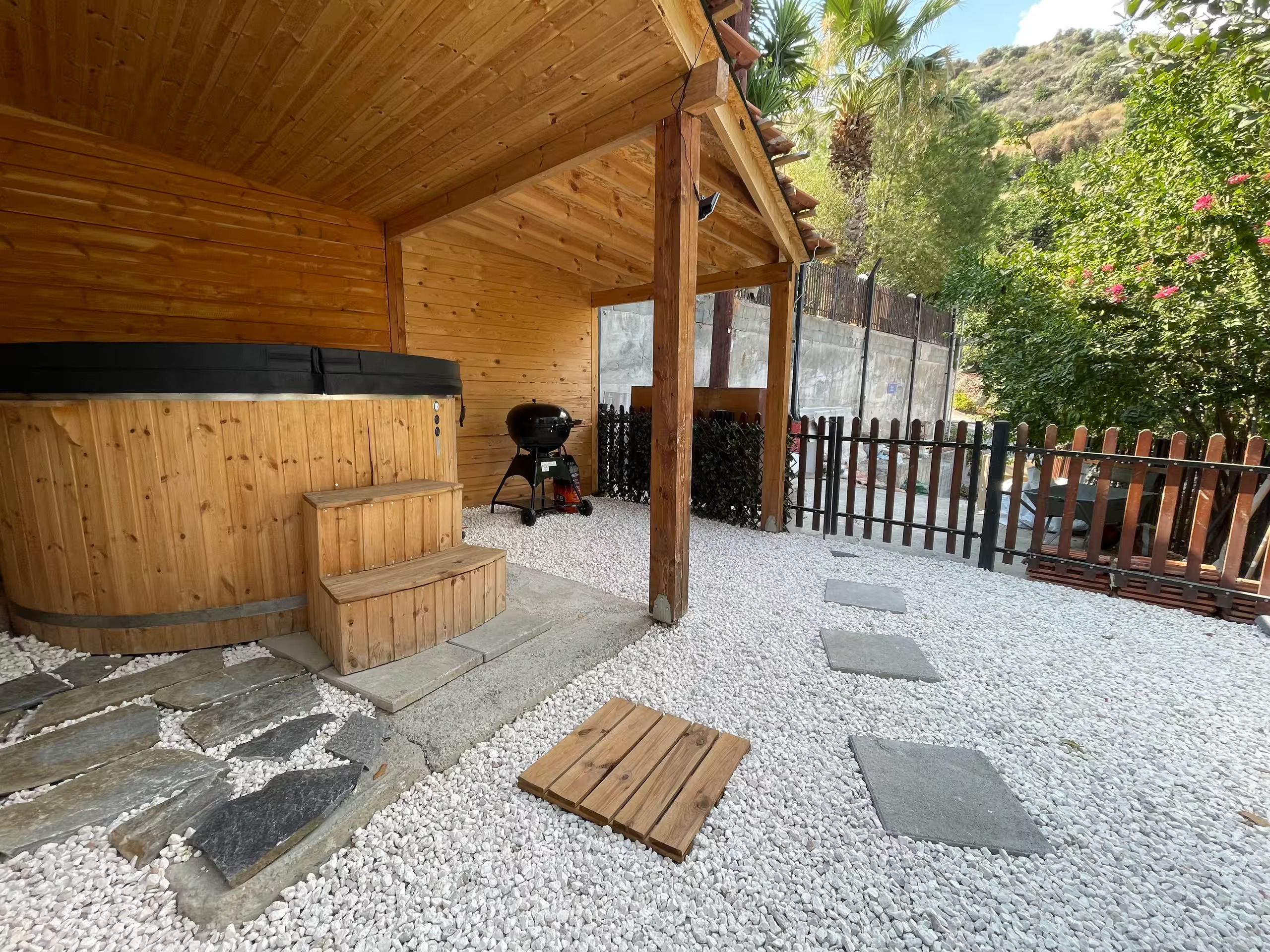
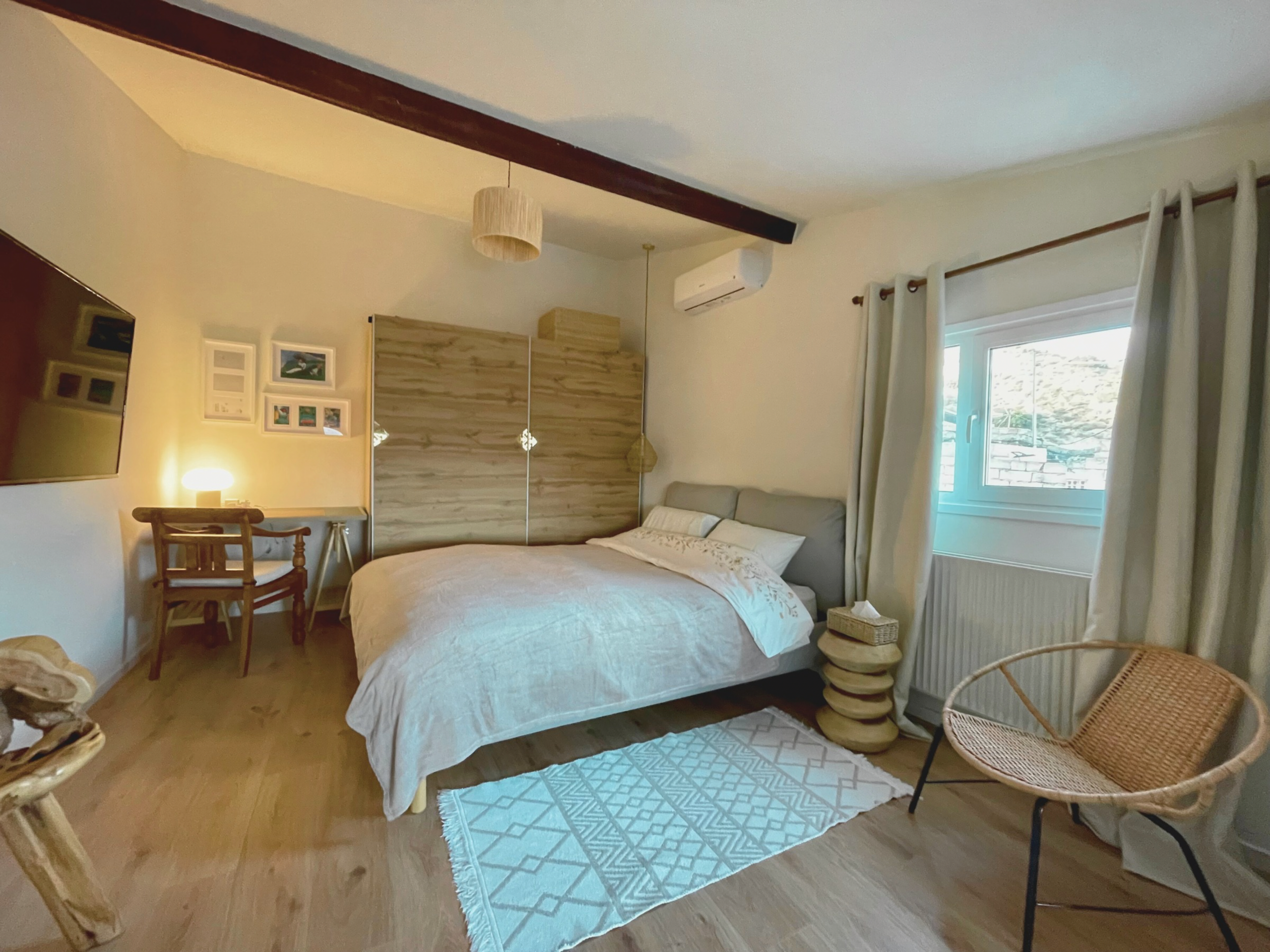
A hotel room can work for some dogs, but a dog-friendly holiday home in Cyprus often provides much greater freedom.
Holiday homes, villas and countryside properties can offer:
- more space
- private outdoor areas
- greater privacy
- flexible routines
- easy access to nature
- less time spent in busy communal areas
This can make the holiday more enjoyable for both the dog and the owner.
Dog-Friendly Holiday Homes in Cyprus
At Summercitylife, the idea is to connect travellers with different places to stay across Cyprus – from countryside retreats and traditional properties to accommodation that provides a comfortable base for exploring the island.
For dog owners, the most important thing is finding a property that matches the needs of both you and your pet.
Depending on the property, that could mean a quiet countryside location, outdoor space, nearby walking routes or simply an environment away from busy tourist areas.
Always check the individual property’s current pet policy before booking, as not every property will have the same rules.
Why the Cyprus Countryside Is Great with a Dog
One of the biggest advantages of travelling to Cyprus with a dog is the opportunity to spend time outdoors.
The countryside offers a completely different experience from the major coastal resorts.
Instead of busy streets and crowded promenades, you can discover:
- small villages
- olive groves
- mountain landscapes
- country roads
- hiking trails
- open fields
- traditional architecture
For dogs that enjoy walking and exploring, this can be one of the highlights of the trip.
And for their owners, it is a great way to experience a more authentic side of Cyprus.

Travelling to Cyprus with a Dog During Summer
The biggest challenge for many dogs in Cyprus is the heat.
Summer temperatures can become very high, particularly inland and during the middle of the day.
Your dog may be perfectly happy exploring Cyprus in the morning but struggle during the hottest hours.
A sensible daily routine is therefore important.
Plan longer walks for:
early morning or evening.
During the middle of the day, provide plenty of shade and fresh drinking water and allow your dog to rest.
Protect Your Dog from Hot Pavements
Hot roads and pavements can become dangerous for dogs.
Before going for a walk, check the surface temperature with your hand.
If you cannot comfortably keep your hand on the pavement for several seconds, it is too hot for your dog’s paws.
During very hot weather, choose natural surfaces, shaded paths or postpone the walk until later.
Never Leave a Dog in a Car
This is particularly important in Cyprus.
A parked car can become dangerously hot very quickly, even when the windows are partially open.
Never leave your dog alone in a parked car, even for a short period.
If your dog cannot accompany you somewhere, plan accordingly and leave the dog somewhere cool and safe.
Cyprus Beaches with a Dog
Cyprus has some spectacular beaches, but dogs are not automatically allowed everywhere.
Some beaches may have specific dog-friendly areas or seasonal restrictions, while others prohibit dogs.
Always check the current local rules before taking your dog to a particular beach.
Even where dogs are allowed, consider the conditions.
Hot sand, direct sunlight and warm pavement can make a beach uncomfortable for dogs during the middle of the day.
Early morning or evening is often a much better time.
Swimming in Cyprus with Your Dog
If your dog loves swimming, the Mediterranean can be tempting.
However, not every stretch of coastline is suitable for dogs.
Watch out for:
- strong waves
- currents
- sharp rocks
- sea urchins
- slippery surfaces
- hot sand
- other swimmers
After swimming in the sea, rinse your dog’s coat and paws with fresh water where possible.
This helps remove salt and other residues from the coat.
Hiking in Cyprus with a Dog
Cyprus offers plenty of opportunities for outdoor adventures.
Mountain and countryside trails can be ideal for active dogs, particularly during the cooler months.
However, hiking with a dog requires some preparation.
Take:
- enough fresh water
- a portable bowl
- waste bags
- a leash
- suitable food or treats
- basic first-aid supplies
Check the route before setting off and consider the temperature, shade and terrain.
A route that is comfortable for an experienced hiker may not be suitable for every dog.
Spring and Autumn Can Be Ideal
If you want to spend a lot of time hiking and exploring with your dog, spring and autumn can be particularly attractive.
The temperatures are generally more comfortable for outdoor activities than during the hottest summer months.
Spring also brings green landscapes and wildflowers to parts of the island.
Autumn offers warm days while the countryside begins to change after the intense summer.
For dog owners who want to explore rather than spend the entire holiday at the beach, these seasons can be excellent.
Travelling to Cyprus with a Dog for a Longer Stay
Cyprus is not only suitable for short holidays.
The island can also work well for longer stays, particularly for people who work remotely.
Having a dog can actually encourage a slower routine.
Instead of spending every day visiting tourist attractions, you might start your morning with a countryside walk, work during the day and explore a nearby village in the evening.
This combination of remote work, nature and island life is one of the reasons Cyprus appeals to longer-term visitors.
A Dog-Friendly Cyprus Road Trip
If you have enough time, consider exploring several different parts of Cyprus rather than staying in one location throughout your trip.
You can combine:
Countryside → Mountains → Villages → Coast → Beaches
The island is compact enough that different landscapes can often be reached within the same day.
A flexible itinerary is particularly useful when travelling with a dog because you can adapt your plans around the weather and your dog’s energy levels.
Things to Pack for Your Dog
Before travelling, prepare a dedicated dog travel bag.
Useful items include:
- pet passport
- vaccination records
- leash and harness
- travel carrier or crate
- familiar food
- water bottle
- collapsible bowl
- waste bags
- towel
- favourite toy
- familiar blanket
- cooling mat
- basic first-aid supplies
Bringing familiar items can help your dog settle into a new environment more easily.
Keep Your Dog’s Routine Familiar
Dogs generally adapt better to travelling when parts of their normal routine remain unchanged.
Try to keep regular:
- feeding times
- sleeping routines
- walking times
- rest periods
Of course, the routine may need to change because of the weather.
The important thing is to give your dog enough time to rest and adapt rather than planning activities from morning until night.
Discover a Different Side of Cyprus
Travelling with a dog can change the way you experience a destination.
You naturally spend more time outside.
You walk through villages rather than simply driving through them. You stop in quieter places. You explore countryside paths. You notice landscapes that you might otherwise miss.
That makes a dog-friendly Cyprus holiday particularly well suited to travellers who want to get away from the usual tourist experience.
Summercitylife: Stay and Explore Cyprus
Summercitylife brings together different places to stay and experiences across Cyprus for travellers who want to explore the island in their own way.
Whether you are looking for a countryside retreat, a holiday home close to nature or a comfortable base for discovering the coast and villages, the right property can make travelling with your dog much easier.
Rather than choosing accommodation solely by location, consider what your dog actually needs:
Space. Quiet surroundings. Easy access to the outdoors. And the freedom to enjoy the island together.
Each property has its own characteristics and pet policy, so check the details of the individual accommodation before booking.
Travelling to Cyprus with a Dog – Frequently Asked Questions
Is Cyprus a good holiday destination for dogs?
Yes. Cyprus offers countryside, mountains, villages and beaches that can be enjoyable with a dog. The main consideration is the summer heat and checking local rules regarding dogs.
What documents does my dog need to travel to Cyprus?
Requirements depend on your country of departure. For travel within the EU, dogs generally need identification, a valid rabies vaccination and the appropriate pet travel documentation.
Can dogs go to the beach in Cyprus?
Some beaches allow dogs, while others do not. Rules can also vary by season. Check the current local regulations before visiting.
Can I take my dog hiking in Cyprus?
Yes. Cyprus has many countryside and mountain trails. Choose routes suitable for your dog’s fitness level and avoid strenuous walks during the hottest part of the day.
What is the best time to visit Cyprus with a dog?
Spring and autumn can be particularly comfortable for outdoor activities. Summer is also possible, but walks and activities should be planned around the heat.
Are there dog-friendly holiday homes in Cyprus?
Yes. A number of holiday homes and properties cater to travellers with pets. At Summercitylife, pet policies can vary between properties, so always check the individual accommodation before booking.
Conclusion
Travelling to Cyprus with a dog gives you the opportunity to experience the island differently.
Instead of focusing only on resorts and tourist attractions, you can explore quiet villages, countryside landscapes, mountain trails and less crowded parts of the coast.
The key is preparation: check the current entry requirements, confirm your airline’s pet policy, choose suitable accommodation and plan outdoor activities around the weather.
Most importantly, give yourself enough time to enjoy Cyprus rather than trying to see everything at once.
Bring your dog, slow down and discover Cyprus together.