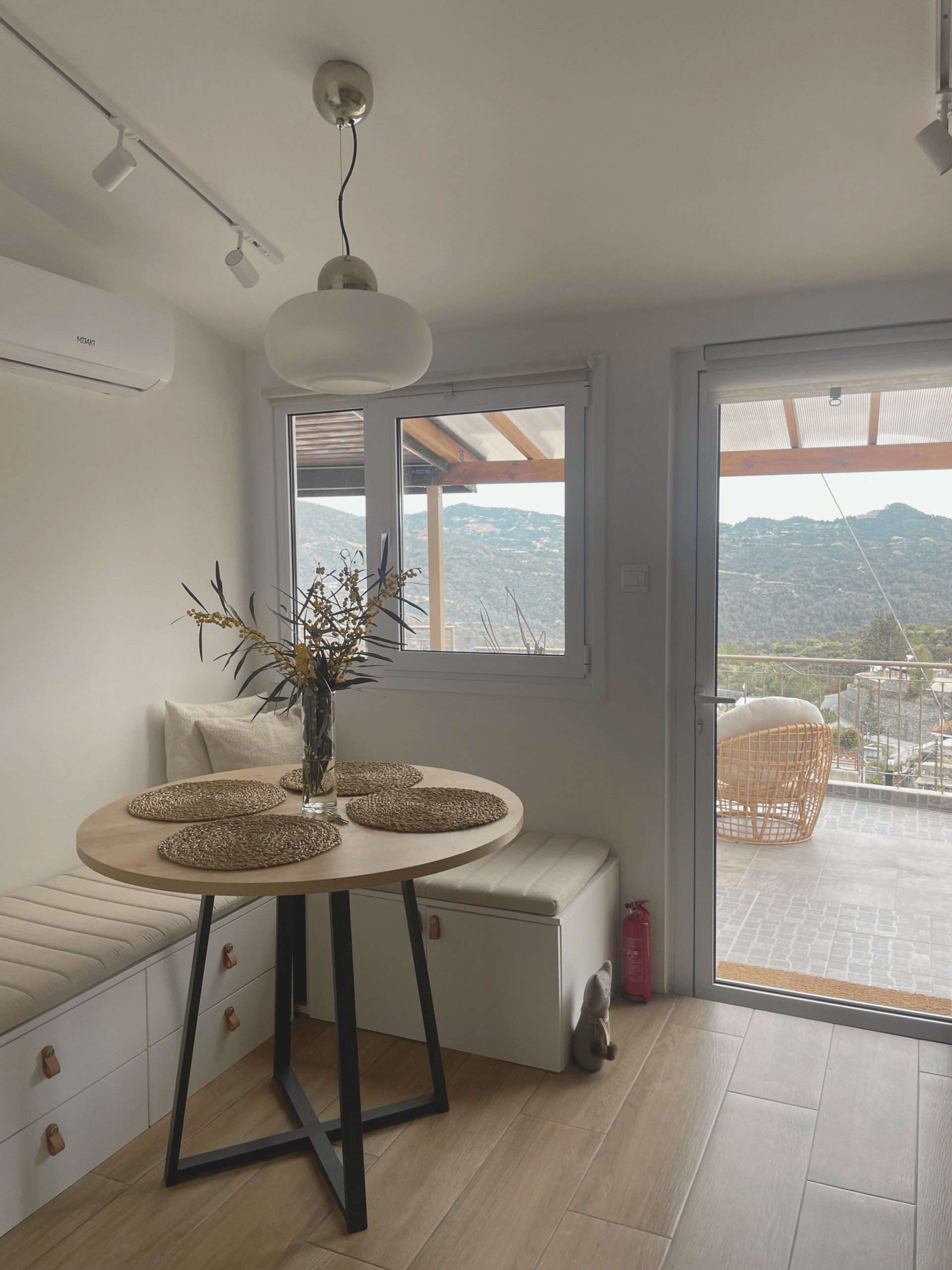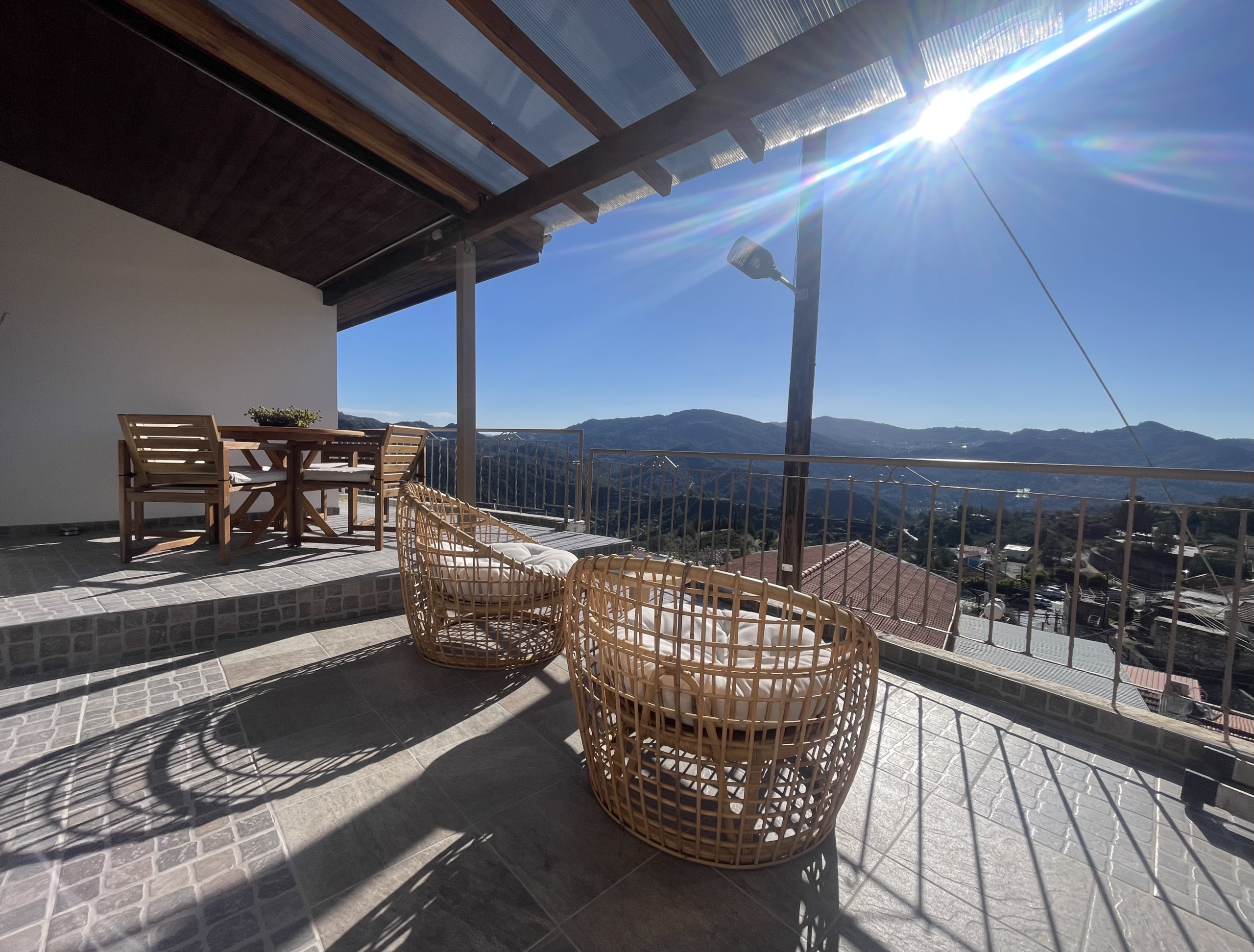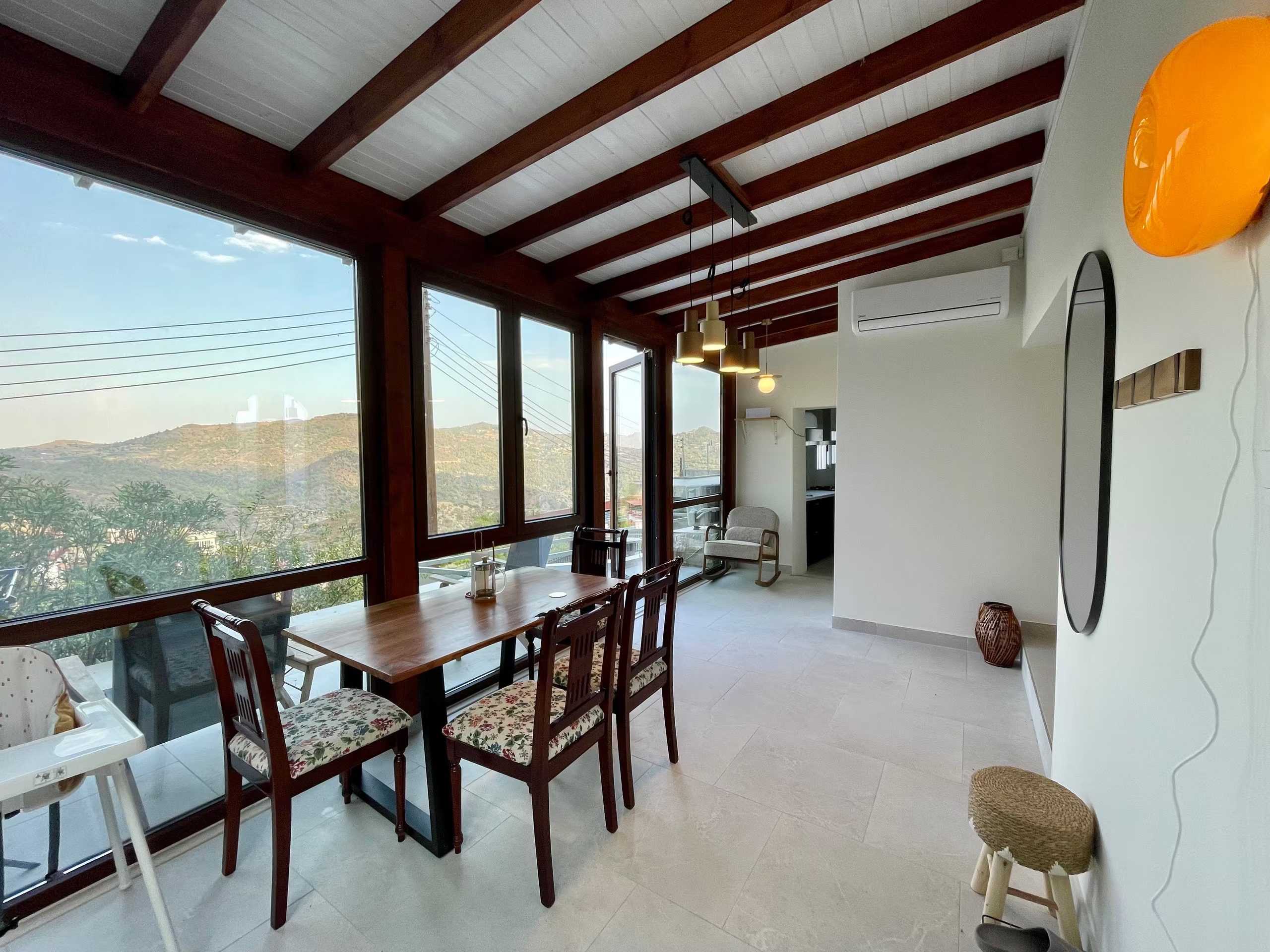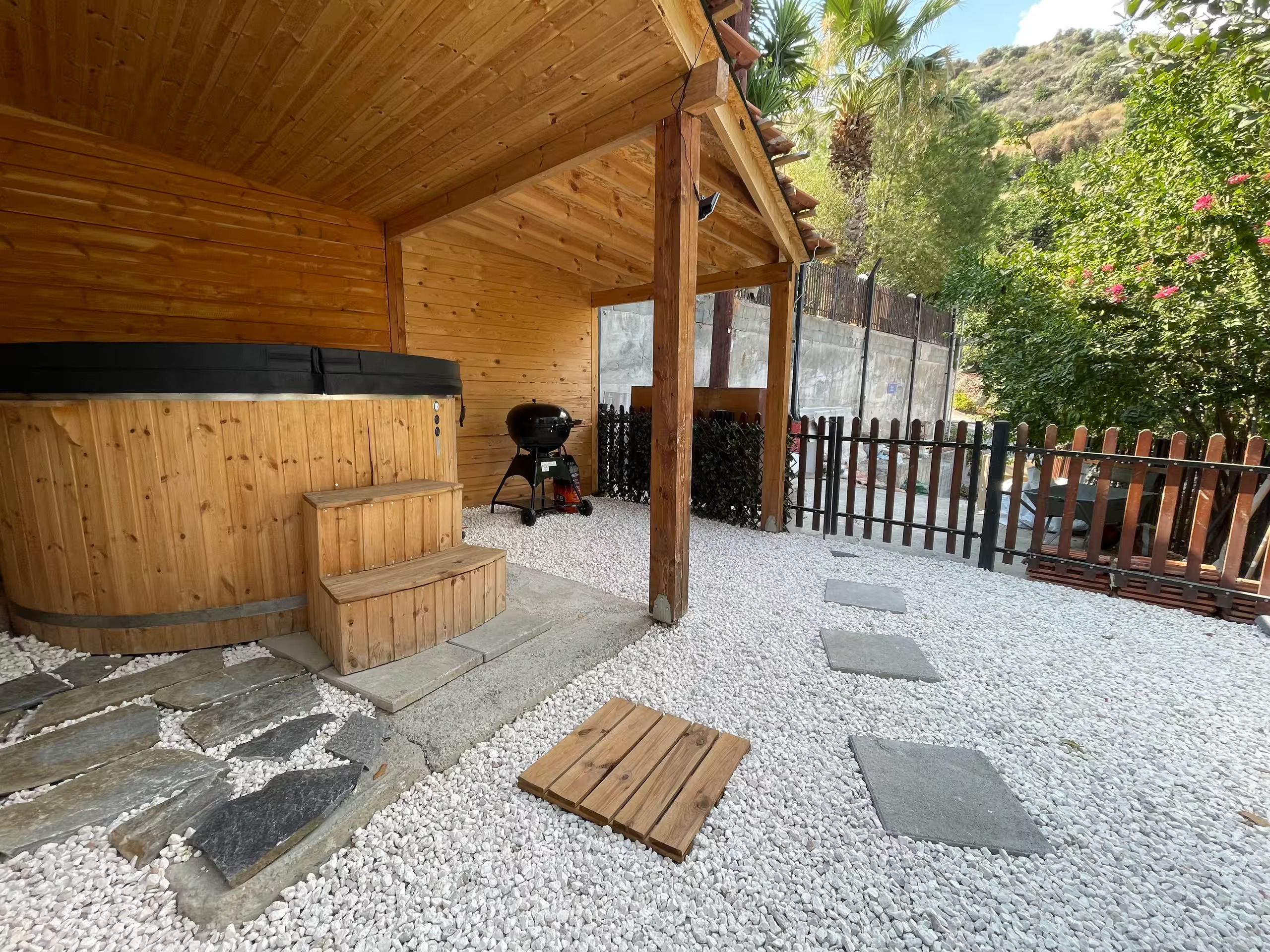
If you are looking for a quieter and more authentic side of Cyprus, Dierona is a village worth discovering.
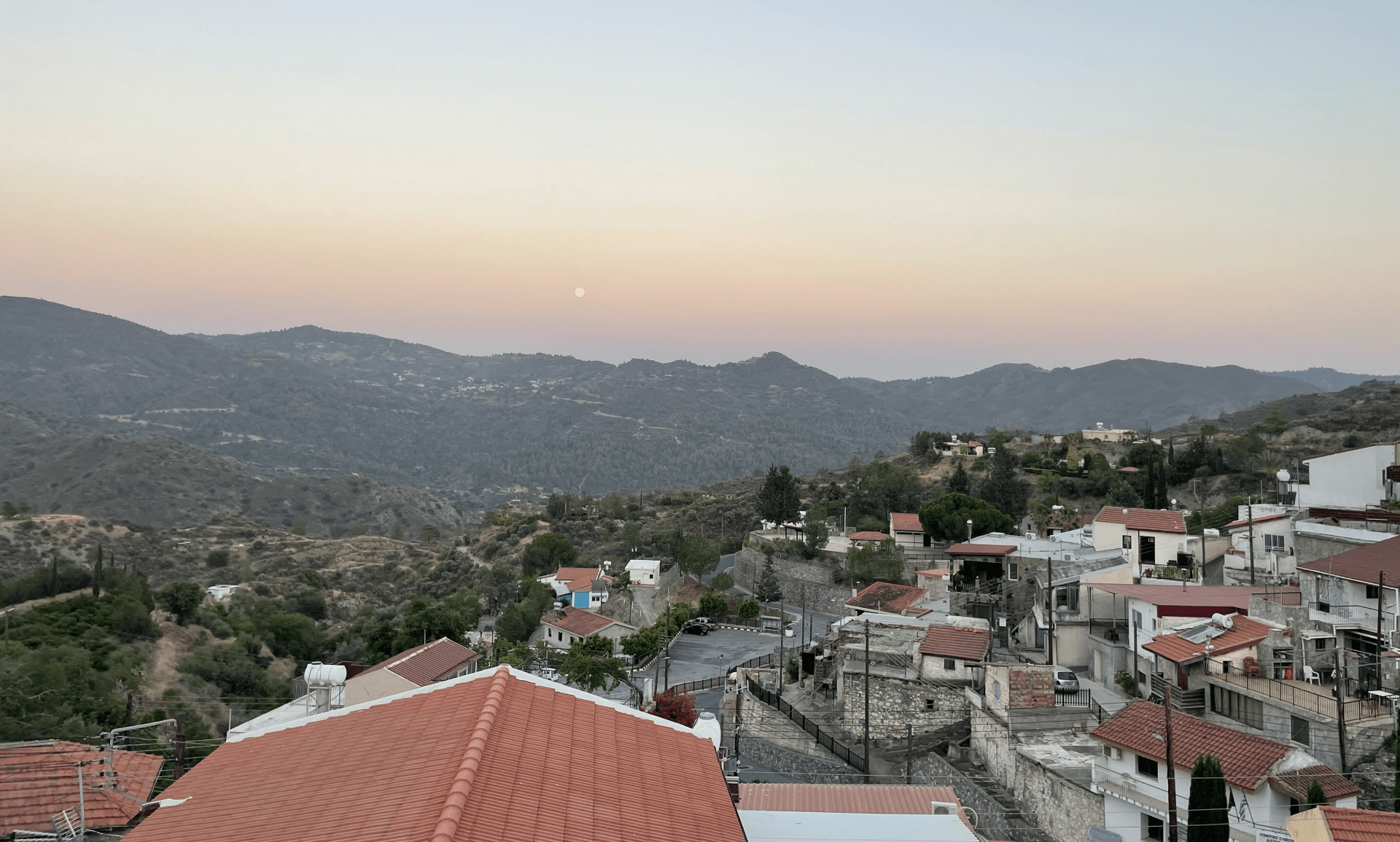
Located in the Limassol District on the southern slopes of the Troodos mountain range, Dierona is a small semi-mountainous village surrounded by hills, woodland, orchards and traditional Cypriot countryside. The village sits at roughly 400–650 metres above sea level depending on the surrounding area.
Dierona is not one of Cyprus’s famous tourist destinations – and that is precisely what makes it interesting.
There are no large resorts, busy promenades or rows of tourist shops.
Instead, you find narrow village streets, traditional houses, citrus trees, mountain views and a much slower rhythm of life.
For visitors staying in a holiday home in Cyprus, Dierona can be an excellent base for exploring the countryside, the Troodos foothills and the wider Limassol region.
Where Is Dierona in Cyprus?
Dierona is located in the Limassol District, around 30 kilometres northeast of Limassol, in the foothills of the Troodos Mountains.
The village is close to Arakapas and forms part of a rural landscape characterised by mountains, forests, agricultural land and traditional villages.
Its location makes Dierona particularly interesting for travellers who want to combine countryside living with access to the coast.
You can spend the morning exploring the mountains and villages and later drive towards Limassol and the Mediterranean.
That combination is one of the biggest advantages of staying in this part of Cyprus.
What Is Dierona Like?
Dierona is small and peaceful.
The village has retained much of its traditional character, with narrow roads and houses built into the sloping landscape. Around the settlement, the countryside opens into hills, fields, orchards and wooded areas.
The village has historically been connected to agriculture, with citrus fruits – particularly mandarins – among the crops associated with the area. Olive trees, carob and other agricultural products are also part of the surrounding landscape.
This agricultural character is still part of what gives Dierona its identity.
It feels less like a destination created for visitors and more like a real Cypriot village where everyday life continues.
A Small Village with a Long History
Dierona has a history that goes back considerably further than its current size might suggest.
Historical records connect the village with the period of Frankish rule in Cyprus. Older maps also refer to the settlement using variations of the name Ierona, including Pano Ierona. Historical census information indicates that references to “Pano” and “Kato” were likely associated with different parts or neighbourhoods of the village rather than two separate settlements.
The area also has a long agricultural tradition, reflected in historical land and property records.
Today, Dierona is small, but its landscape and historic buildings provide reminders of the village’s past.
The Church of Archangel Michael
One of the most notable landmarks in Dierona is the Church of Archangel Michael.
The village’s main church is dedicated to Archangel Michael, while another historic church dedicated to the same saint stands outside the village.
The older church is particularly interesting from an architectural and historical perspective.
A report from the Department of Antiquities of Cyprus describes the Church of Archangel Michael located northeast of the village as a large vaulted church dating to the 18th century. Restoration work was undertaken because of structural problems affecting the building.
For visitors interested in Cyprus’s religious and architectural heritage, this is one of the places worth adding to a walk through the area.
The Old Dierona Bridge
Another interesting feature is the historic Dierona Bridge.
The bridge formed part of the old connection across the local waterways and agricultural landscape and is now an atmospheric reminder of how people moved through the countryside before modern roads transformed the region.
Walking around the village and its surroundings gives you the opportunity to see these features as part of the landscape rather than simply ticking them off a sightseeing list.
That is really the charm of Dierona.
The village is best experienced slowly.
Dierona and the Citrus Countryside
One of the most distinctive characteristics of the area around Dierona is its agricultural landscape.
Mandarin and other citrus orchards are an important part of the local scenery. Modern cycling routes in the wider area specifically pass through the citrus-growing countryside around Dierona and neighbouring villages.
Depending on the season, the landscape can look dramatically different.
Green orchards, mountain slopes and rural roads create a very different impression of Cyprus from the dry, highly developed coastal areas.
For photographers, walkers and anyone interested in rural Cyprus, this is part of Dierona’s appeal.
Hiking Around Dierona
You do not have to travel far from Dierona to find opportunities for walking and hiking.
Several routes around the village connect the countryside, orchards and neighbouring areas.
One currently documented Dierona hiking route forms a loop starting around the old Church of Archangel Michael and passing the historic bridge, mandarin orchards and fields around the village. The route is around 7.7 kilometres and is described as moderate.
Other routes connect Dierona with nearby Arakapas and surrounding mountain landscapes.
This makes the village particularly attractive for travellers who want to combine a Cyprus holiday with walking and outdoor activities.
Cycling Around Dierona
The countryside around Dierona is also popular with cyclists.
The Limassol Tourism Board includes routes through Dierona and neighbouring villages such as Arakapas, Agios Konstantinos, Eptagonia and Kellaki. One road cycling route begins and ends in Dierona and covers around 47 kilometres.
The terrain is not necessarily easy – this is mountain countryside, after all – but the scenery provides a very different cycling experience from riding along a busy coastal road.
For experienced cyclists and gravel riders, the area can be an interesting starting point for exploring rural Limassol.
Dierona for Nature Lovers
Dierona is surrounded by a landscape where agriculture and natural vegetation meet.
The wider area includes wooded hills, agricultural land and mountain terrain. Research into the Dierona–Arakapas–Kalo Chorio area describes a landscape on the southern slope of the Troodos range with agricultural zones and extensive natural vegetation.
This makes the area particularly appealing if your idea of a Cyprus holiday involves:
- hiking
- cycling
- photography
- nature
- countryside walks
- scenic drives
- village exploration
You do not have to travel to a major attraction to find something interesting.
Sometimes the landscape itself is the attraction.
Dierona Near Limassol
One of the best things about Dierona is its relationship with Limassol.
You are far enough away from the city to experience quiet countryside, but close enough to combine a village stay with days by the coast.
This makes Dierona an interesting option for travellers who do not want to choose between:
Countryside and coast.
You can have both.
Spend the morning in the mountains, visit a traditional village for lunch and head towards Limassol in the afternoon.
Or simply stay in the countryside and enjoy the slower pace.
Traditional Villages Around Dierona
Dierona becomes even more interesting when you explore the surrounding villages.
The nearby area includes places such as Arakapas, Eptagonia, Kellaki and Prastio, all connected through the rural landscape and road network.
The Limassol Tourism Board’s cycling routes through the area highlight the combination of mountain scenery, citrus-growing plains and traditional settlements.
This makes the region ideal for a day of exploring by car.
Rather than planning a rigid itinerary, choose a direction and see where the roads take you.
Why Stay in Dierona?
Dierona is not for travellers looking for a nightlife destination.
It is for people who appreciate:
Quiet mornings.
Mountain views.
Traditional villages.
Nature.
Local life.
Space to slow down.
A holiday home in or around Dierona can therefore be very different from staying in a large coastal resort.
You have the countryside around you while still being within reach of Limassol and the coast.
Dierona for a Cyprus Countryside Holiday
For travellers looking specifically for a countryside holiday in Cyprus, Dierona is a particularly interesting location.
The village offers the atmosphere people often imagine when they think about rural Cyprus:
traditional buildings, agricultural landscapes, mountain roads and a slower pace.
It also provides access to a much larger region.
You can use Dierona as a base for discovering the Troodos foothills, nearby villages and the Limassol countryside.
Staying in Cyprus with Your Dog
Dierona can also be appealing for travellers who want to bring their dog to Cyprus.
The surrounding countryside offers opportunities for walking away from busy tourist areas.
However, whether a specific holiday home accepts pets depends on the individual property.
If you are travelling with a dog, always check the property’s pet policy before booking and consider the summer temperatures when planning walks.
Dierona for Remote Workers
The countryside around Limassol can also appeal to people working remotely.
Instead of staying in the middle of the city, you can choose a quieter environment and structure your day differently.
A morning walk through the countryside, a few hours of work and an afternoon trip to the coast can become a much more relaxed way of experiencing Cyprus.
Of course, practical factors such as internet connectivity and workspace should always be checked with the individual accommodation before booking.
When Is the Best Time to Visit Dierona?
Dierona can be visited throughout the year, but the experience changes considerably with the seasons.
Spring
Spring is particularly attractive for walking and exploring the countryside. Temperatures are generally more comfortable, and the landscape can be much greener than during the dry summer months.
Summer
Summer is hot, especially during the middle of the day.
The higher elevation of the village can provide a different atmosphere from the coast, but outdoor activities are still best planned for the morning or evening.
Autumn
Autumn is an excellent time for countryside exploration, hiking and road trips.
Winter
Winter provides a completely different perspective on Cyprus. The mountains can become cooler and wetter, making a countryside stay feel far removed from the classic summer image of the island.
Dierona Is Not a Tourist Attraction – and That’s the Point
Perhaps the most important thing to understand about Dierona is that it is not designed as a tourist attraction.
There is no long list of major sights.
There is no busy resort centre.
There is no need to spend the day rushing between attractions.
Instead, Dierona offers something increasingly difficult to find:
space.
Space to walk.
Space to explore.
Space to sit outside.
Space to experience a quieter side of Cyprus.
And that makes it a fascinating destination for travellers who want to see something beyond the standard Cyprus holiday.
Discover Dierona with Summercitylife
For travellers looking for a different way to experience Cyprus, Summercitylife connects accommodation with the places and experiences that make the island special.
Dierona is one example of the quieter side of Cyprus – a traditional village surrounded by countryside, mountains and agricultural landscapes.
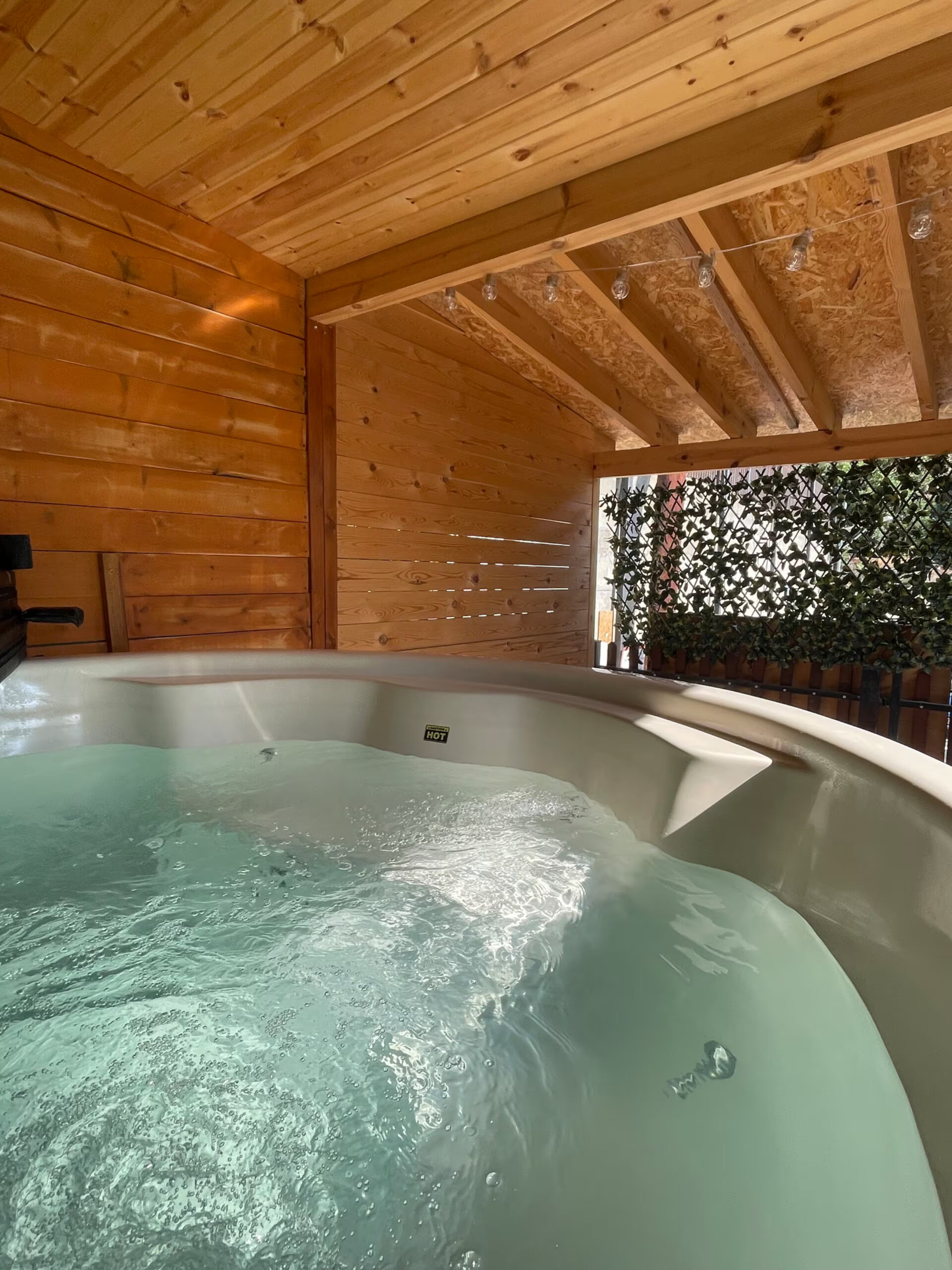
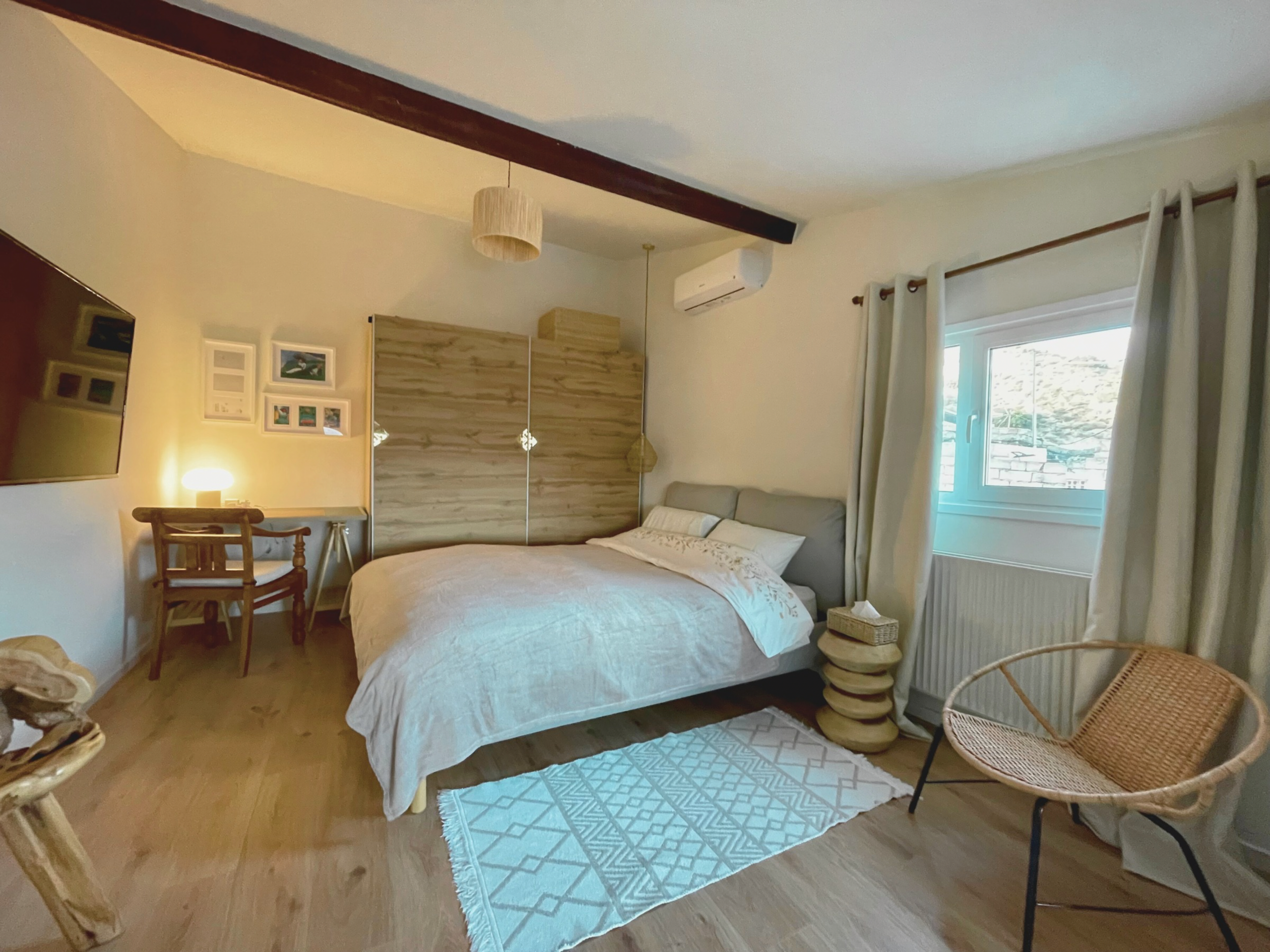
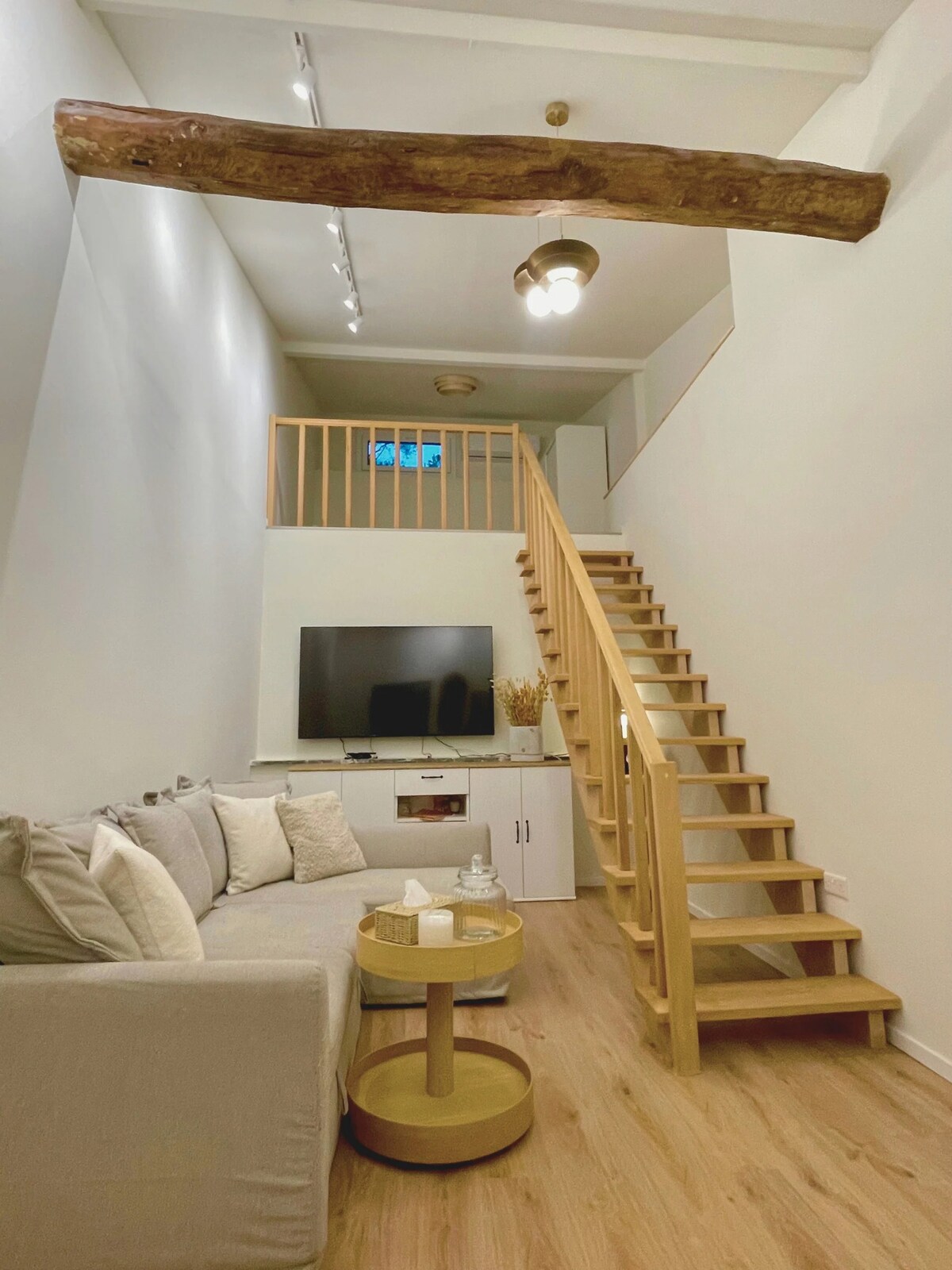
Depending on your plans, you can stay in different holiday homes across Cyprus and use them as bases for exploring villages, beaches, mountains and local life.
Dierona is particularly interesting if you want to combine countryside living with easy access to Limassol and the Mediterranean coast.
It is not about ticking another destination off your list.
It is about discovering a place at your own pace.
Frequently Asked Questions
Where is Dierona in Cyprus?
Dierona is a small semi-mountainous village in the Limassol District, located northeast of Limassol on the southern slopes of the Troodos Mountains.
Is Dierona worth visiting?
Yes, particularly if you are interested in traditional villages, countryside, hiking, cycling and experiencing a quieter side of Cyprus.
How far is Dierona from Limassol?
Dierona is approximately 30 kilometres northeast of Limassol, making it possible to combine a countryside stay with visits to the city and coast.
What can you do in Dierona?
You can explore the village, visit the Church of Archangel Michael, walk through the surrounding countryside, hike, cycle and explore nearby villages.
Can you hike around Dierona?
Yes. There are several documented hiking routes around Dierona, including routes passing the old church, historic bridge, orchards and surrounding countryside.
Is Dierona good for a countryside holiday?
Absolutely. Its mountain setting, agricultural landscape, traditional village character and proximity to Limassol make it an interesting base for a rural Cyprus holiday.
Conclusion
Dierona, Cyprus is not the kind of destination you visit to tick off ten famous attractions.
You visit because you want to experience another side of the island.
A small traditional village. Mountain landscapes. Citrus orchards. Historic churches. Countryside roads. Hiking trails. And a slower rhythm that feels very different from the busy coastal resorts.
For travellers looking to stay, explore and experience Cyprus beyond the usual tourist routes, Dierona offers exactly that.
Discover the village. Explore the countryside. Experience Cyprus at a different pace.
For accommodation and different places to stay across the island, explore the Summercitylife holiday homes and find your own base for discovering Cyprus.